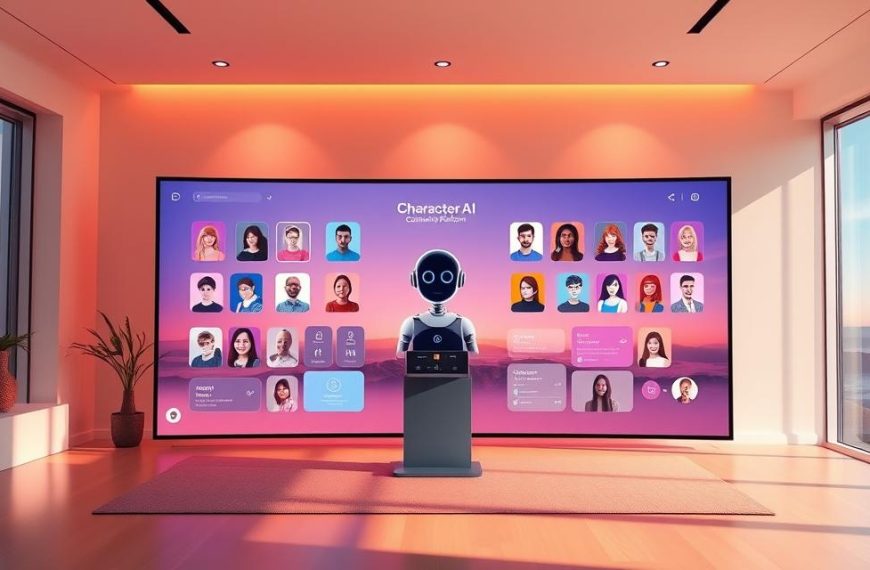
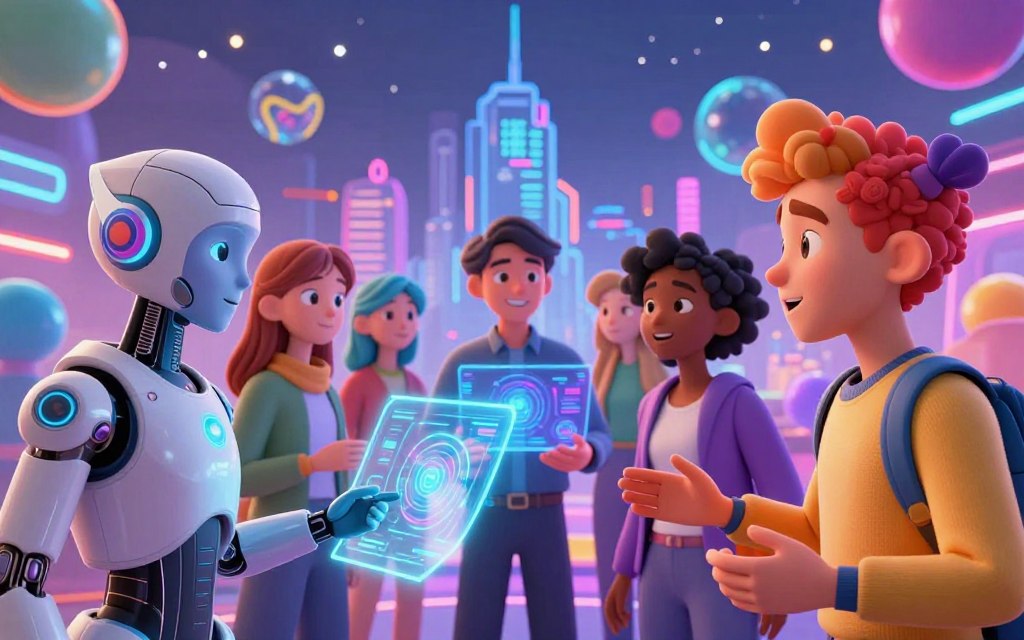

The world of digital interaction is undergoing a profound transformation. What if you could engage in meaningful conversations with digital entities that possess their own memories, feelings, and even backstories? This is the revolutionary promise of Characters AI, a groundbreaking technology that allows us to create and chat with sophisticated digital personalities. These aren’t just advanced chatbots; they are fully fleshed-out virtual companions, capable of engaging in surprisingly human-like dialogue and offering unique social experiences. From philosophical debates with a digital replica of Albert Einstein to navigating a fantastical realm with a video game antagonist, the possibilities are truly limitless.
The shift is undeniable: AI character generators have evolved from simple tools into full-fledged personality engines, making it accessible for anyone to craft and interact with their very own digital friend. This marks a significant leap in how we perceive and engage with artificial intelligence, pushing the boundaries of human-computer interaction in 2025 and beyond.
Key Takeaways
- Characters AI transcends basic chatbots, offering digital personalities with unique memories, feelings, and backstories for rich interactions.
- Advanced technologies like NLP, LLMs, and personality imprinting are the backbone of creating believable and consistent AI characters.
- Users can easily create their own digital personalities using platforms like Inworld AI, Kamoto.AI, and Character.AI, following a structured, iterative process.
- Characters AI has diverse practical applications, including interactive entertainment, personalized education, mental wellness support, and innovative brand representation.
- While offering immense benefits, ethical considerations such as bias, emotional authenticity, and data privacy remain critical challenges that require careful navigation.
The world of chatbots has changed a lot. Now, we talk to digital personalities with their own memories and feelings. They even have their own stories.
These digital friends are more than just machines. They have deep personalities, making our conversations feel real and human.
Imagine talking about big ideas with a digital Albert Einstein or dealing with a video game villain. This is what AI characters are all about.
The possibilities are endless. You can create characters from history or come up with something new. They make stories come alive and offer unique social experiences.
This change is big. AI character generators have grown into full-fledged personality engines. Now, anyone can make and talk to their own digital friend.
This marks a big step in how we see and talk to artificial intelligence.
The Rise of Digital Companions: Why Characters AI Matters
AI personalities are becoming big in our digital world. This is because of a mix of cultural wants and new tech. It’s not just a trend; it’s a big change in how we connect, have fun, and get help online.
From Simple Chatbots to Complex Personalities
The start of today’s characters was with basic AI chatbot systems. These early systems followed strict rules and could only answer in set ways. They were limited and often annoying.
Now, AI characters are much more advanced. They have real personalities, feelings, and can talk freely. They remember what you said before and change how they speak. This makes talking to them feel like a real conversation.
The main change is in what they can do. Old chatbots just answered questions. New AI characters can have real conversations, tell stories, and even be friends. This is why they’re so popular now.
The Cultural and Technological Shift
Two big things are making digital friends popular. People want new ways to talk and media that feels personal. The success of virtual influencers shows we’re ready for virtual influencer friends.
Numbers show this change is real. Sites like Character.AI get millions of users every month. The generative AI market is also growing fast, expected to hit $71.36 billion by 2025.
New tech like NLP and LLMs is driving this change. These systems learn from lots of text, getting better at understanding us. This lets developers create AI that feels real and talks like a person.
The mix of our desire for connection and new AI tech has made AI friends a reality.
So, why is character AI important now? It’s not just a better chatbot; it’s a new way for us to interact with computers.
What is Characters AI? Defining the Digital Persona
Characters AI goes beyond simple chatbots. It creates unique digital beings with their own personalities, memories, and looks. These digital entities are powered by advanced machine learning models. They can have a consistent persona, allowing users to have long conversations.
An AI character generator is the tool that makes this possible. It creates original characters with their own looks, personality, and history.
Core Components of an AI Character
Building a believable digital persona involves several key parts. Each part works together to create a believable individual. Advanced systems, like Inworld AI’s Character Engine, manage these elements well.
Personality and Backstory
The heart of any character is its identity. This includes personality traits, motivations, and a history. Designers use tools to input these details.
A good backstory makes the character’s responses feel real. This is what makes an AI personality stand out from a simple script.
For example, a cynical detective will speak differently than an optimistic student. This is the first step in creating an AI character.
Conversational Memory and Consistency
The most challenging part is conversational memory. This is the AI’s ability to remember past conversations and stay consistent. Without it, every chat feels like the first time.
Good memory lets the character remember jokes, build on discoveries, and grow relationships. It turns isolated questions into meaningful conversations. This shows how advanced a platform is.
Visual Representation (Avatars)
The character’s mind is built with data and language models. But its face is a 3D avatar or 2D image. This visual part makes the interaction more real and emotional.
The visual layer is not just for looks. It completes the digital persona, giving it a form. Whether cartoon-like or realistic, the avatar connects the user’s world with the character’s digital one. Modern platforms focus on integrating this visual identity.
The Technology Behind the Illusion: NLP and Machine Learning
The responses of an AI character are not random. They come from complex processes that understand and create language. This is thanks to advanced technology. It uses natural language processing, machine learning, and other models.
This mix lets a digital character understand and reply to text prompts. It can even have a visual form. This makes for a complete and interactive experience.
Natural Language Processing (NLP) Fundamentals
Natural language processing is key to making machines understand human language. For AI characters, this is the first step.
NLP algorithms break down messages. They look at syntax, grammar, and meaning to understand intent and feelings. This is called natural language understanding (NLU).
After understanding, the system must create a fitting reply. This is natural language generation (NLG). Together, NLU and NLG make the AI’s conversation feel right.
The Role of Large Language Models (LLMs)
While NLP sets the stage, large language models are the main power. LLMs are trained on huge amounts of text. They learn patterns and a wide range of knowledge.
Models like GPT-4 or Claude are great at predicting the next word. This lets them create smooth, coherent text. For AI characters, an LLM gives the ability to talk.
The scale of these models lets them handle complex conversations. They can talk about many topics and keep a conversation going better than simple chatbots.
Training Data and Personality Imprinting
A general LLM is smart but lacks a unique personality. This is where training data and fine-tuning come in. It’s called personality imprinting.
Developers use specific data to define the character. This includes backstory, personality traits, speech patterns, and special knowledge. Platforms like Kamoto.AI are designed for this.
Through machine learning, the model adapts. It learns to respond in a way that fits the character’s profile. This process is repeated until the character’s responses match its identity.
| Technology Component | Core Function | Primary Input |
|---|---|---|
| NLP Fundamentals | Understanding user intent and generating linguistically correct responses. | User’s text prompt and conversation history. |
| Large Language Models (LLMs) | Providing the deep knowledge base and fluid text generation capability. | Massive datasets of general text and code. |
| Personality Imprinting | Shaping the LLM’s outputs to match a specific character’s identity and tone. | Curated training data: backstory, traits, dialogue examples. |
Making a believable AI character is all about specialisation. It takes a powerful model and trains it to fit a specific role. The quality of the training data affects how real the character will feel.
How to Create Your Own AI Character: A Step-by-Step Guide
Creating an AI character is a detailed process. It involves planning, choosing a platform, and refining your creation. This guide will help you turn a simple idea into a digital being that can have real conversations.

Step 1: Defining the Character’s Core Identity
Every AI character needs a solid foundation. This step is the most creative part. It defines who your character is at their core. A detailed character description is the blueprint for all technical work.
Establishing Personality Traits
Don’t just label your character as ‘funny’ or ‘smart’. Define specific traits that guide their conversations. Think about what drives them—are they curious, a helper, or ambitious? Also, consider their flaws and quirks. A character with quirks feels more real.
Platforms like Inworld AI use these traits to shape their dialogue.
Crafting a Compelling Backstory
A backstory gives context to your character. Where are they from? What life events shaped them? This story doesn’t have to be shared in every chat. It influences how they react.
For example, a tutor with a backstory of struggle might be more empathetic. This depth makes your character stand out.
Step 2: Choosing the Right Platform or Tool
Your vision must match the right platform. Different tools serve different needs, from quick prototyping to commercial use.
- Inworld AI: Great for no-code creation in a dedicated studio. It offers detailed control over your character’s mind, voice, and animation.
- Kamoto.AI: Known for its easy interface for designing and training personalities. It’s good for those who want to make money from their AI.
- Character.AI: Ideal for quick dialogue testing and user feedback.
Your choice depends on what matters most to you—control, ease, or community.
Step 3: Inputting Parameters and Training Data
This is where your character comes to life. You’ll turn their identity into AI-understandable parameters.
On platforms like Inworld AI, you’ll input their description, motivations, and flaws. Then, you’ll add a ‘knowledge’ section with facts and opinions. This shapes their conversation skills.
You’ll choose their voice and speech style. Many platforms, like ElevenLabs, offer high-quality speech options. You’ll also set a default dialogue style, like formal or casual.
Step 4: Iterative Testing and Refinement
No AI character is perfect at first. The final step is testing and refining. Talk to your character a lot. Note any responses that feel off or don’t match their traits.
Go back to the platform to tweak parameters. Maybe their curiosity needs a boost, or their knowledge needs more facts. This loop of chat, observe, adjust is key to a great character. It’s like having a continuous conversation with your creation, making it better.
This step-by-step guide helps you create engaging AI character interactions. It’s a structured way to make your AI conversations coherent and captivating.
The Art of the Conversation: Chatting Effectively with AI Personalities
Creating a digital persona is just the start. The real magic happens in the dialogue exchange. It turns a static profile into a living, interactive experience. This requires a shift from programming to social engagement, where your input shapes the interaction.
Initiating and Sustaining Engaging Dialogue
Starting a chat with AI character means aligning your opening with its persona. A historical sage might respond well to a philosophical question. Begin by referencing the character’s traits or backstory to signal which personality to use.
To keep the conversation going, engage actively. Treat it as a collaborative story. Instead of asking isolated questions, build on previous exchanges. Use the character’s responses as a starting point for your next question.
Consistent interaction helps test if the character’s output matches your vision. As you chat and interact with your characters, you refine their parameters. This makes each dialogue more engaging than the last.
Understanding Context and Memory Limits
Managing memory is key to realistic interaction. Many AI characters recall recent conversations but have a context window. Think of this as their active working memory.
This technical limit means long chats can cause the AI to “forget” early details. The character might stay consistent in tone but lose plot points from hours ago. Knowing this limit helps you strategise. For longer chats, re-introduce key names and goals to keep the dialogue coherent.
Effective users work within this window, creating rich, contained scenes. They avoid expecting indefinite narrative continuity without guidance.
Prompting Techniques for Deeper Interaction
Going beyond simple Q&A requires skilled use of prompting techniques. These inputs guide the AI toward more nuanced responses. Role-play prompting is one method, where you set a scene: “You are a chef surprised in your kitchen by a food critic. Describe your reaction using sensory details.”
Another technique is iterative prompting. Start with a broad question and then follow up to dig deeper. Ask “why” or “how do you feel about that” to explore the character’s thoughts. You can also assign emotions or motivations directly in your prompt, like “Respond as if you are cautiously optimistic about the plan.”
These prompting techniques act as a director’s guidance. They help unlock the full personality of your digital companion for deeper, more satisfying interactions.
Practical Applications: Where Digital Personalities Shine
AI-driven characters are making a big impact in many fields, from entertainment to business. These digital humans are moving from labs to real-world use, solving problems and engaging people. They can talk and act like real people, adding value in four main areas: entertainment, education, companionship, and business.
Entertainment and Interactive Storytelling
The gaming world is leading the way, using AI to create interactive characters. Unlike old-fashioned characters, these NPCs can react differently to what you do, remember past talks, and surprise you in stories. This makes games feel more real and exciting.
Interactive fiction platforms also use AI to write stories together with users. In film and TV, digital characters help test out characters and dialogue. This new way of creating stories is changing how we tell stories.
Education and Personalised Tutoring
AI characters are changing learning by being patient and flexible tutors. They can adjust to each student’s needs, helping them learn better. For example, a history student can debate with a digital version of a historical figure, or a language learner can practice with a native AI speaker.
This personal attention, available anytime, boosts confidence and skill. The AI companion lets you make mistakes without fear, helping you learn more effectively. These tools are becoming like mentors in education.
Mental Wellness and Companionship
AI characters are also helping with mental health, providing a safe space to talk. Around 33% of teenagers talk to AI companions for company. This shows how AI can be a helpful friend.
These digital friends can offer support, advice, or just listen. They’re not a replacement for real therapy but can be a helpful start or extra support. Their constant, anonymous presence is a unique kind of support.
Customer Service and Brand Representation
In business, AI personalities are becoming the face of brands. As virtual assistants, they handle simple customer service tasks, freeing up humans for harder issues. Companies are also using AI to create brand ambassadors.
For example, an AI version of Product Hunt founder Ryan Hoover talks to the community. These brand reps can do interviews, host events, and be a friendly, always-available contact. This makes customer service more engaging.
From interactive game NPCs to caring listeners and efficient brand agents, AI has many uses. They help with engagement, learning, support, and business, showing that digital personalities are more than just tech.
Benefits and Advantages of Adopting Characters AI
AI characters bring real benefits that make them worth the investment. They offer constant, tailored interaction, a safe space for development, and a boost to creativity and innovation.
Unlimited Availability and Personalisation
AI personalities are always there for you, unlike humans or software. They’re ready to chat whenever you need them. This means no more waiting for the right time to start.
They also offer unmatched personalisation. You can create a character that fits your needs perfectly. Whether it’s a tutor or a brand ambassador, the possibilities are endless.
Using AI characters saves a lot of time and money. What used to take weeks can now be done in minutes. This change can completely transform how we work on projects.
Safe Space for Exploration and Practice
AI characters provide a safe space for learning and trying new things. This is great for situations where real-life risks are high.
People can practice languages, have tough conversations, or try out different roles. Writers can test dialogue, and students can debate without fear. The AI gives feedback that helps you improve without any consequences.
This safety also helps with mental health. Users can share their thoughts and feelings with a confidential AI, exploring their emotions freely.
Driving Creativity and Innovation
AI characters are not just useful; they spark creativity. They make it easy for anyone to create complex characters, no matter their skills.
This opens up new possibilities in marketing, game development, and education. Marketers can quickly create personas, game developers can craft rich backstories, and educators can make learning interactive.
These technologies are changing the game in art, storytelling, and design by removing old barriers to creativity.
Talking to an AI character can also help overcome creative blocks. It encourages you to think of new ideas and explore different paths, making it a valuable partner in innovation.
| Benefit Area | Characters AI Advantage | Traditional Method Limitation |
|---|---|---|
| Availability & Access | 24/7 instant interaction; no scheduling required. | Limited by human hours, time zones, and resource constraints. |
| Customisation & Personalisation | Deep, granular control over personality, knowledge, and tone. | Often fixed personas or high cost/time for custom development. |
| Risk- |

 By
By

 By
By